Impact
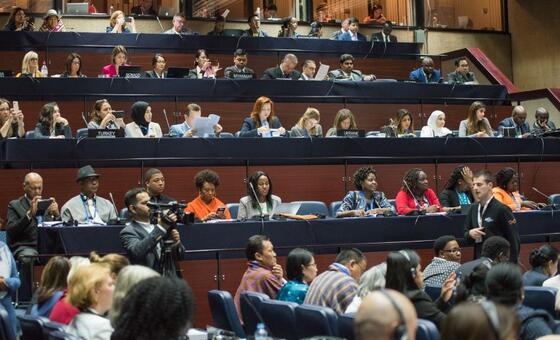
The IPU facilitates parliamentary diplomacy and empowers parliaments and parliamentarians to promote peace, democracy and sustainable development around the world.

15:00 – 16:30 CET
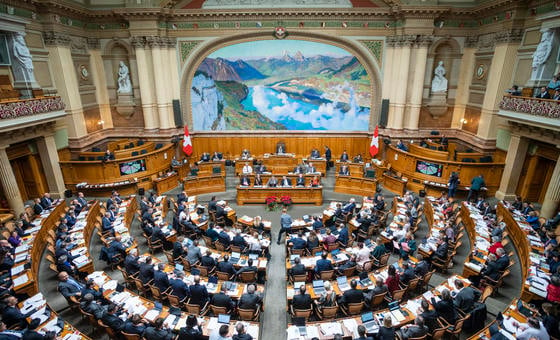
The use of AI by parliaments has become a key focus of recent months. In this seminar we will undertake an open exploration of what AI may mean for public engagement with parliaments.
The first part of the seminar will be structured around an “In Conversation” format which will discuss and reflect on why it is important to consider AI from a public engagement perspective. The panel will consider the role that AI may potentially play in enhancing public engagement with parliaments. We will identify opportunities arising from this, as well as risks and how these can be mitigated. The panel will seek to highlight examples of parliaments using AI for outreach and public engagement and discuss what we can learn from these. The panel will aim to discuss the role of AI as a summative tool (translating, transcribing, summarising volumes of data/evidence), but also as an inductive tool to stimulate ideas and enable deeper forms of engagement.
The second part of the seminar will open up for Q&A and the sharing of experiences and queries on the topic.
Chair:
Professor Cristina Leston-Bandeira, University of Leeds and Chair of IPEN
Panelist:
Abigail Potter, Senior innovation specialist, Library of Congress, USA
Aman Sadat, Committee Clerk, Member of the AI Taskforce, House of Representatives, Belgium
Andy Williamson, Senior researcher, Centre for Innovation in Parliament, IPU
Franklin de Vrieze, Head of Practice (Accountability), Westminster Foundation for Democracy
Viktoria Spaiser, Associate Professor in Sustainability Research and Computational Social Science, University of Leeds
Sahar Attia, Member of the Egyptian Parliament, Chair of the IPU Working Group on Science and Technology
Language(s): English, French, Spanish, Arabic
The event is part of the series of webinars hosted by the IPU-IPEN Public engagement hub in follow-up to the 2022 IPU-UNDP Global Parliamentary Report on Public engagement in the work of parliament.
Recordings of all the webinars are on IPU’s YouTube Public engagement playlist. For more information, please contact gpr ipu [dot] org (gpr[at]ipu[dot]org). Find out how to join the International Parliament Engagement Network: ipen-network.org. To engage with participants before and after the event, join the Public engagement LinkedIn page.